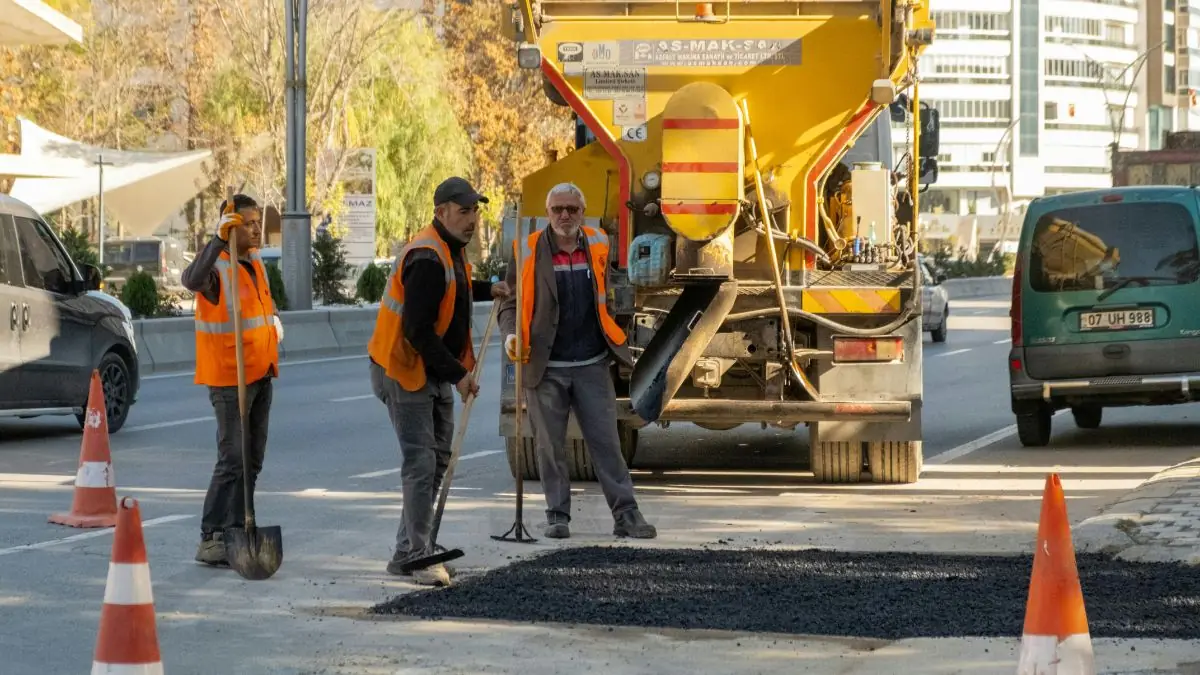
...

Hiring the wrong traffic control company costs more than money. A crew without proper certification turns a routine construction project into a safety liability. Workers get injured. Traffic backs up. Equipment shows up late or damaged. Municipalities issue compliance violations. Your project schedule slips.

The right traffic control company handles all of it invisibly. Certified personnel position themselves correctly before equipment arrives. Traffic flows without panic. Insurance covers the work properly. Your team focuses on building instead of managing traffic chaos.

The difference comes down to knowing what to look for and which questions separate professionals from operations that cut corners.

What BCCSA Certification Actually Means

BCCSA stands for the BC Construction Safety Alliance. A Traffic Control Person (TCP) certification from BCCSA isn’t a suggestion or a nice-to-have. In British Columbia, anyone directing traffic at a construction worksite legally must hold this credential.

The certification proves three things. First, the person completed classroom instruction on traffic control principles, WorkSafeBC regulations, and hazard recognition. Second, they passed a practical evaluation on the job. They can actually position equipment, manage traffic flow, and respond to unexpected situations. Third, they renew the certification regularly—usually every three years—to stay current with regulation changes.

When you hire a traffic control company, verify that every person assigned to your site holds valid BCCSA TCP certification. Ask the company to provide photocopies of each certificate. Don’t accept promises like “we’ll get them certified” or “they’re trained internally.” That’s not the same thing. WorkSafeBC enforcement officers know the difference, and so should you.

WorkSafeBC Compliance and Insurance Requirements

BCCSA certification is one layer. WorkSafeBC compliance is another. A legitimate traffic control company carries WorkSafeBC coverage as an employer. This means their TCPs are registered as employees or contractors and that the company has paid into the WorkSafeBC system.

Why does this matter for you? If a traffic control person gets injured on your site and the company doesn’t have WorkSafeBC coverage, your project’s workers compensation insurance becomes the liable party. That creates claims, premium increases, and potential legal exposure.

Ask any traffic control company you’re considering to provide proof of current WorkSafeBC clearance. You can verify this yourself through the WorkSafeBC registry. It takes five minutes online and eliminates a major compliance risk.

Beyond WorkSafeBC, the company needs liability insurance. General liability coverage should be at least $2 million. Equipment liability should cover the value of signs, cones, and barriers they deploy. Autobody liability protects against damage to vehicles if a pilot car is involved. Ask the company for a Certificate of Insurance naming your organization as an additional insured.

Practical Questions to Ask Every Candidate

Once you’ve confirmed certification and insurance, dig deeper. These questions separate companies that know their work from ones just trading on low prices.

Ask how they manage crew scheduling and response time. If you need three TCPs on your site for a specific morning, can they guarantee all three will show up? What’s their backup plan if someone calls in sick? Good companies maintain a buffer of trained personnel and can mobilize quickly. Companies operating on razor-thin staffing can’t.

Ask about their safety record. How many WorkSafeBC incidents have their personnel been involved in over the past three years? Zero incidents doesn’t mean they’re not working—it means they take hazard management seriously. High incident rates indicate either poor training, poor supervision, or both.

Ask how they handle permit coordination. Many municipalities in BC require traffic management plans submitted before work begins. Does the company prepare these documents, or do they expect you to handle it? Can they explain what elements go into a plan for your specific project type? Companies that understand permitting requirements navigate local regulations faster and prevent costly delays.

Ask about equipment condition. You’re hiring people, but their effectiveness depends on the tools they use. Do they have reflective signs that actually meet DOT standards? Are cones properly weighted and visible at night? Is pilot car equipment maintained regularly? Walk past their shop if you can. A company with faded, cracked cones is cutting maintenance costs, which means quality corners being cut elsewhere.

Ask for references from recent projects. Call them. A quick five-minute conversation with a project manager who used the company last month tells you more than any sales pitch. Ask whether personnel showed up on time, whether they followed instructions, whether they responded quickly when conditions changed.

TCP vs. Flagger: What’s the Difference?

In BC, the terms get confusing because the same BCCSA certification covers both roles, but they’re used in different contexts.

A Traffic Control Person manages traffic flow at active construction sites, usually on higher-speed roads or complex intersections. They position themselves strategically, use stop/slow paddles, manage pedestrian movement, and coordinate with crews. The job requires positioning judgment—knowing where to stand so drivers see you before they’re too close to stop safely.

A flagger performs similar work but typically in lower-speed, lower-complexity scenarios. They might direct traffic around a pothole repair or manage parking lot access during construction. The certification is identical, and so are the legal requirements, but the environment is different.

The reason this matters: don’t confuse the two when you’re getting quotes. A company charging flagger rates for TCP-level work might cut corners on crew placement or safety margins. If your project needs active traffic management on a busy street, you need TCPs with experience in that environment, not flaggers working above their comfort level.

Lead Time and Scheduling Reality

Traffic control doesn’t happen overnight. Good companies book weeks in advance, especially during busy seasons like spring and summer construction sprints. If a company can provide a crew tomorrow, that might be a sign they don’t have much work—which could mean they’re cheap, or it could mean they’re cheap for a reason.

Plan for a minimum of two weeks’ notice. For complex projects requiring traffic management plans, add another week for permit processing. If you’re in a municipality with stricter requirements, add even more time.

Ask the company their standard booking window. Do they require deposits? What’s the cancellation policy? Do they offer emergency or after-hours services, and at what premium? Some companies charge extra for jobs that start before 7 AM or extend into evening hours. That’s reasonable—it affects crew scheduling. Others absorb it into standard rates.

What the Scope of Work Should Include

When you hire a traffic control company, the price you receive should include specific deliverables. Don’t assume anything.

The core service is personnel—BCCSA-certified TCPs showing up on time and staying for the duration. That’s the starting point. Beyond that, some companies include equipment rental (signs, cones, barriers). Some charge equipment separately. Pilot car services cost extra. Night work costs more than day work.

Ask what’s included in your quote. If the company says “traffic control,” that’s vague. Push for specifics. How many people? How many hours? Is equipment included? Are travel costs built in, or are you paying mileage? Is there a minimum charge if you only need them for four hours on a Tuesday morning?

A clear scope of work protects both sides. You know what you’re paying for. The company knows what they’re committing to. There’s no ambiguity on the job site.

Cost Factors That Affect Your Quote

Traffic control pricing in BC typically ranges from $35 to $55 per hour per person, depending on location and complexity. Coquitlam and surrounding Lower Mainland areas sit at the mid-to-upper end of that range. Remote locations cost more because of travel.

Several factors push prices up or down. The number of TCPs needed on your site matters—a two-person crew costs twice what a one-person crew costs. Duration affects it too. A full eight-hour day is cheaper per hour than a four-hour stint, because the company commits crew time regardless. Time of day changes pricing. Night work, weekend work, and early-morning starts often have premiums of 20 to 40 percent.

Equipment requirements increase costs. A simple job with a stop/slow paddle and traffic cones might be included in the base rate. A complex intersection management plan requiring additional signage, message signs, or cones across multiple lanes costs more to set up and manage.

Seasonal demand affects availability and price. Summer projects—May through September—command higher rates because every contractor in the province is building. Winter work is cheaper because fewer projects are active. If your schedule has flexibility, timing your traffic control around the off-season saves money.

Distance from the company’s base affects pricing. A company based in Coquitlam charging you for travel to Surrey costs less than a Vancouver company with a longer commute. This is why getting quotes from local providers matters.

Red Flags That Should Disqualify a Company

Certain warning signs mean you should keep looking, no matter how competitive their price.

If they can’t provide proof of BCCSA certification for all proposed personnel, walk away. This isn’t negotiable. It’s illegal, and it’s on you to catch it.

If they seem confused about WorkSafeBC requirements or can’t provide a Certificate of Insurance, that’s a problem. Professional companies have these documents ready. They’re used to providing them.

If they’ve had multiple WorkSafeBC claims or have a history of citations from municipal inspectors, that indicates systemic issues. One incident might be bad luck. A pattern means the company doesn’t prioritize safety.

If they pressure you to pay cash and avoid invoicing, that’s a sign they’re not operating legitimately. Legitimate companies invoice and track transactions. They want a clear paper trail.

If they guarantee they can provide certified personnel but won’t commit to specific individuals until a few days before the job, be cautious. Good companies know who’s working your site and can name them in advance.

If they seem unwilling to discuss their safety protocols or seem offended by your questions, that’s a cultural red flag. Professional companies expect due diligence questions. They’re prepared to answer them thoroughly.

Getting an Accurate Quote and Nailing Down Details

When you contact a traffic control company, have specifics ready. Vague requests lead to vague quotes.

Know your project timeline. What dates do you need coverage? What hours each day? Is this a one-day job or a multi-week project? Will the needs change day to day, or is it consistent?

Know your location. The exact address matters because travel time affects pricing.

Know your scope. How many TCPs do you need? What traffic volume are you managing? Is this on a municipal road (which might require a permit and traffic management plan) or on private property? Do you need pilot car services? Will signage need to be installed and removed daily, or is it permanent for the duration?

Ask the company for a detailed written quote, not a ballpark figure over the phone. The quote should list the number of personnel, hourly rates, duration, equipment included, setup fees if any, and total cost. It should specify when they’re available and what happens if conditions change.

Before you commit, confirm that all personnel assigned to your site are BCCSA-certified. Ask for names and certification numbers. You can verify directly with BCCSA if needed.

BC-Specific Regulations You Should Know About

Traffic control in BC operates under specific rules. Understanding them helps you evaluate whether a company truly knows the landscape.

The WorkSafeBC Occupational Health and Safety Regulation Part 8 covers traffic control. Any site with traffic management requirements falls under these rules. The regulation requires that TCPs be certified, that they follow specific positioning and visibility standards, and that traffic management plans be prepared for complex scenarios.

Many municipalities add local requirements on top of WorkSafeBC standards. Vancouver, Burnaby, and Surrey have specific permit requirements for traffic control work. Coquitlam requires permits for work affecting public roads. A company that operates across the Lower Mainland knows these variations and adjusts their approach accordingly.

Some municipalities require that traffic management plans be prepared by certified Traffic Control Plan designers, not just TCPs. This adds cost but ensures compliance. If your project requires a TMP, confirm that the company can either prepare it or coordinate with someone who can.

During construction season, municipalities prioritize rapid permit processing for traffic control work. But if you submit incomplete or non-compliant paperwork, it goes back to you for revision. This delay is on you, not the traffic control company. Choose a company that helps you get the paperwork right the first time.

Why the Cheapest Option Often Costs More

Hiring a traffic control company based purely on price is like hiring a roofer based on a $500 quote from someone with a pickup truck and no insurance. Cheap doesn’t reflect actual value. It reflects what corners are being cut.

A company underbidding the market might be doing one of several things. They might not be including all the services they should. They might be deploying personnel without proper certification. They might have inadequate insurance. They might cut safety margins to move jobs faster and fit more into their schedule.

When an injury happens on your site—and in construction, injuries happen—the cost isn’t just the traffic control company’s problem. It becomes your problem. If their personnel weren’t properly certified, that liability flows to you. If they didn’t have insurance, your insurance covers it. If their cutting corners caused the incident, you might face regulatory fines.

The professional companies in the BC market charge in a specific range for good reason. They maintain proper staffing, invest in equipment, carry appropriate insurance, and prioritize safety. You’re paying for that. The cheap outlier either won’t last long or is taking risks you can’t afford.

How to Evaluate References and Make Your Final Decision

Once you’ve narrowed your options to two or three qualified companies, call their references. Here’s what to ask.

Ask whether personnel showed up on time and stayed for the full duration. Punctuality matters in construction. Every minute the job site can’t operate because traffic control isn’t ready costs money and schedule.

Ask whether the crew was professional and responsive. Did they follow the project manager’s instructions? Did they adapt when site conditions changed? Were they easy to work with?

Ask whether the company was responsive to communication. If you had to reach someone during the job, did they pick up the phone? Could they solve problems without escalation?

Ask whether the invoice matched the quote. Did any surprise charges show up? Were there disputes about hours or services?

Ask whether the person would hire them again. That’s the simplest and most honest question. If they say no or hesitate, keep looking.

After you’ve checked references, make your decision based on the full picture. Choose the company that has proper certification, insurance, references, and a clear understanding of your project. The cost difference between the top two or three qualified options is usually small. The difference in quality and reliability is substantial.

Summary: What Matters Most

Hiring a traffic control company requires more than picking a name from Google. The companies that operate professionally in BC—the ones with proper certification, appropriate insurance, proven safety records, and responsive service—stand out quickly once you ask the right questions.

Verify BCCSA certification. Confirm WorkSafeBC compliance and insurance. Ask specific operational questions. Check references. Get detailed written quotes. Then make your choice knowing you’ve done the due diligence that keeps your project safe and on schedule.

Frequently Asked Questions

Do I legally need a BCCSA-certified TCP on my job site in BC?

Yes. Under WorkSafeBC regulations, anyone directing traffic at a construction worksite in BC must hold a valid BCCSA Traffic Control Person certification. This is a legal requirement, not optional. If you hire someone without this credential, you’re liable for the violation.

How much do traffic control services cost in BC?

Typical rates range from $35 to $55 per hour per person, depending on location and job complexity. Lower Mainland areas like Coquitlam are in the mid-to-upper range. Rates increase for night work, weekend work, and remote locations. Equipment rental and pilot car services cost extra. Most companies charge minimum fees for partial-day jobs.

What’s the difference between a TCP and a flagger?

In BC, both roles require the same BCCSA certification. The difference is contextual. TCPs typically manage traffic on higher-speed roads and complex intersections, while flaggers work in lower-speed, lower-complexity environments like parking lots or minor street repairs. The certification and legal requirements are identical.

How far in advance should I book a traffic control company?

Plan for a minimum of two weeks’ notice. If your project requires a traffic management plan (TMP), add another week for permit processing and approval. During busy construction seasons (May through September), competition for crews is high. Earlier booking gives you better availability and potentially better rates.

What insurance and certifications should I verify before hiring?

Verify three things: (1) BCCSA certification for all assigned personnel, (2) Current WorkSafeBC coverage status for the company, (3) General liability insurance of at least $2 million with your organization listed as additional insured. Ask for photocopies of certifications and a Certificate of Insurance. You can verify WorkSafeBC status independently through their online registry.

Leave a Reply

Your email address will not be published. Required fields are marked *