
How to Manage Pedestrians Around a Coquitlam Construction Site
Plan safe pedestrian movement around Coquitlam construction with approved routes, accessible detours, clear signs, visibility, access, and field monitoring.
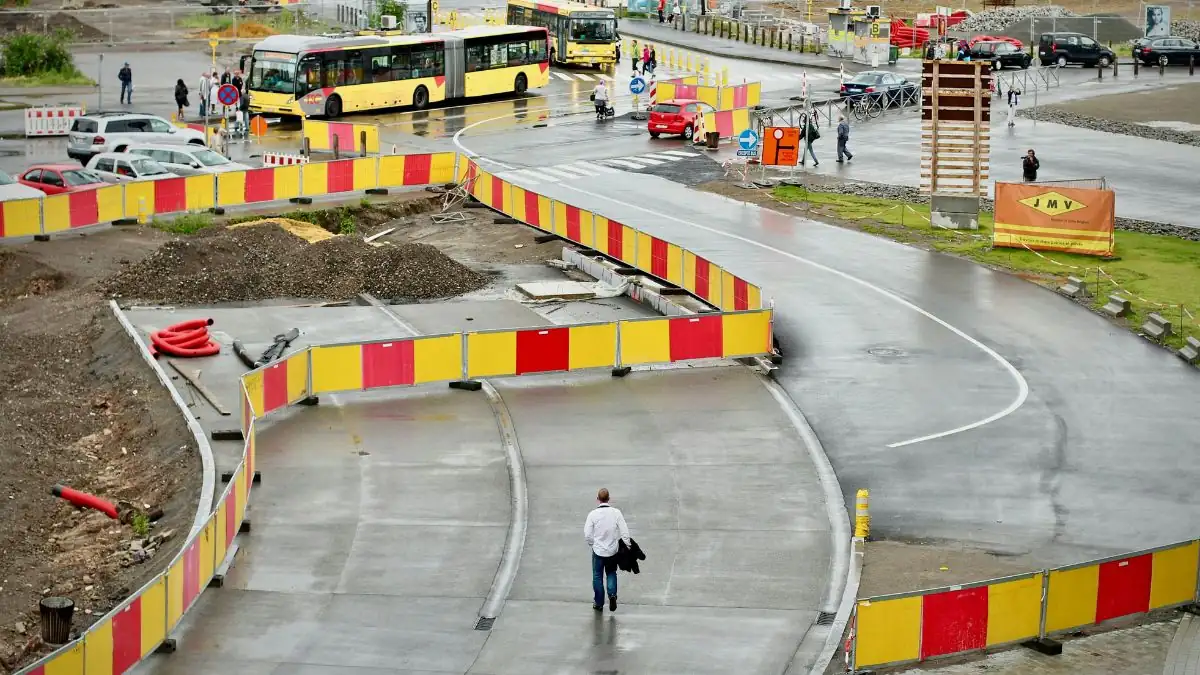
Pedestrian traffic around a Coquitlam construction site should be addressed in the risk assessment, traffic-control plan, and City approval before the work blocks or changes a sidewalk. The route must be understandable in both directions and account for people with different mobility, vision, and wayfinding needs.
Start with the approved route
The City of Coquitlam closure-permit page states that City approval is required before a sidewalk is closed and that controls may only operate during the approved permit hours. Confirm whether pedestrians remain on the same side, use a protected temporary route, or follow an approved detour.
Check the full pedestrian journey
- Provide advance information before a person reaches the closure.
- Keep the route continuous, stable, visible, and free of stored equipment.
- Address crossings, curb access, transit stops, driveways, building entrances, and cycling conflicts.
- Prevent pedestrians from entering the work space or walking into live traffic.
- Maintain business, resident, and emergency access required by the permit.
- Inspect the route as work phases, weather, lighting, and equipment movement change.
WorkSafeBC Part 18 requires traffic hazards to be assessed and controlled through the workplace-specific plan. Pedestrian measures should be coordinated with, not added separately from, vehicle and worker controls.
Communicate changes in the field
Signs should be placed where a pedestrian can still choose the approved route. When a route changes during a shift, update every affected entry point and confirm that the change is allowed by the approved plan and permit.
Safeside can implement approved pedestrian and vehicle controls through lane-closure services and Coquitlam traffic-control support. Send the permit, plan, and access requirements through the contact form.