
Best Practices for Flagging in BC Construction Zones
BC flagging work should follow the risk assessment, approved plan, trained TCP requirements, safe positioning, communication, and site supervision.
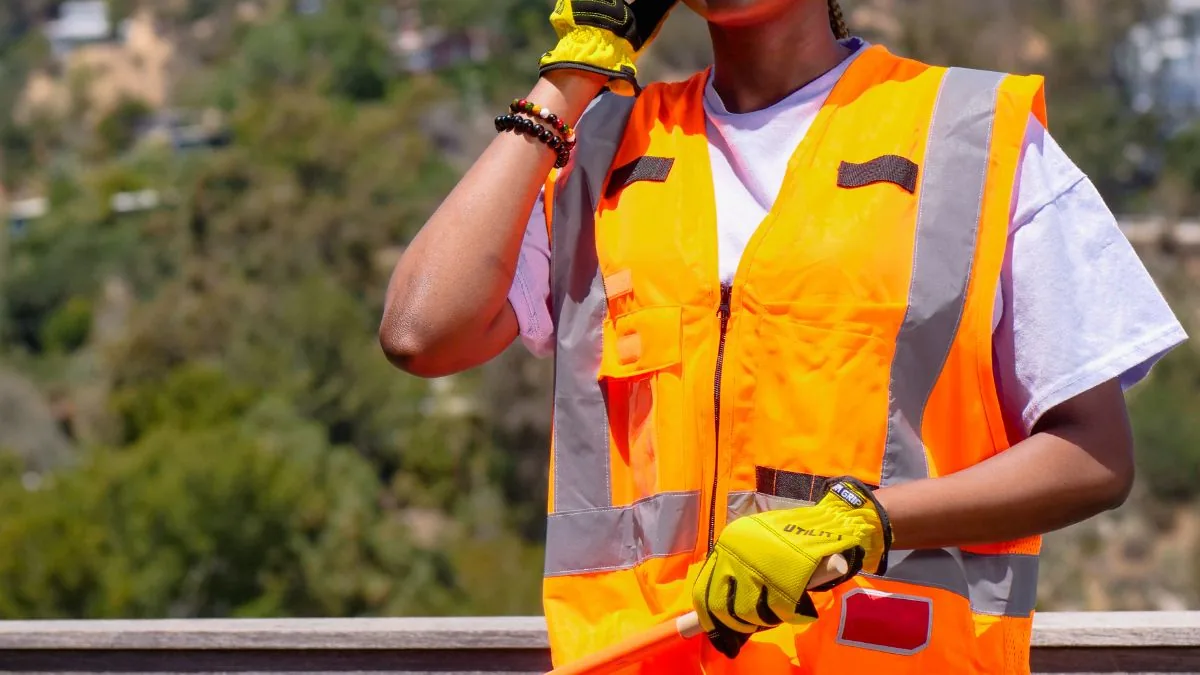
Safe flagging in a British Columbia construction zone starts with the site risk assessment and approved traffic-control plan. A trained TCP is one part of the system; supervision, positioning, devices, communication, and the work method must support the role.
Before traffic control begins
- Verify the TCP has completed WorkSafeBC-approved training.
- Review the current plan, permit conditions, and site-specific orientation.
- Confirm the assigned station, visibility, escape route, traffic flow, and communication method.
- Place required temporary devices before workers are exposed.
- Identify changing work phases, vehicle movements, breaks, and escalation contacts.
WorkSafeBC Part 18 requires TCP positions to come from the risk assessment. It also addresses safe locations, visibility, escape routes, equipment, signals, and communication between TCPs.
While directing traffic
Stay at the assigned position, remain visible, use the prescribed paddle and signals, and keep attention on approaching traffic and the work zone. Do not perform distracting secondary tasks. When multiple TCPs coordinate alternating traffic, use the agreed communication method and never release traffic on an assumption.
Watch for queues extending beyond advance warning, drivers entering from side roads or driveways, pedestrians bypassing controls, work vehicles changing movement, poor visibility, and public confusion. Escalate significant changes to the supervisor so the risk assessment and plan can be reviewed.
Breaks and changing conditions
The traffic-control plan and staffing should account for breaks without leaving a required station unattended. Weather, darkness, glare, road-surface conditions, equipment movement, or a changed work phase can invalidate the original assumptions.
Training source
Verify current approved providers on the WorkSafeBC training page. For a complete overview, read Traffic Control Person training in BC.
Project owners needing trained field support can review Safeside's traffic-control services and request a quote through the contact form.