
Best Practices for Setting Up a Highway Work Zone in BC
A BC highway work zone needs confirmed road authority, a site-specific risk assessment and plan, approved devices, safe setup, supervision, and monitoring.
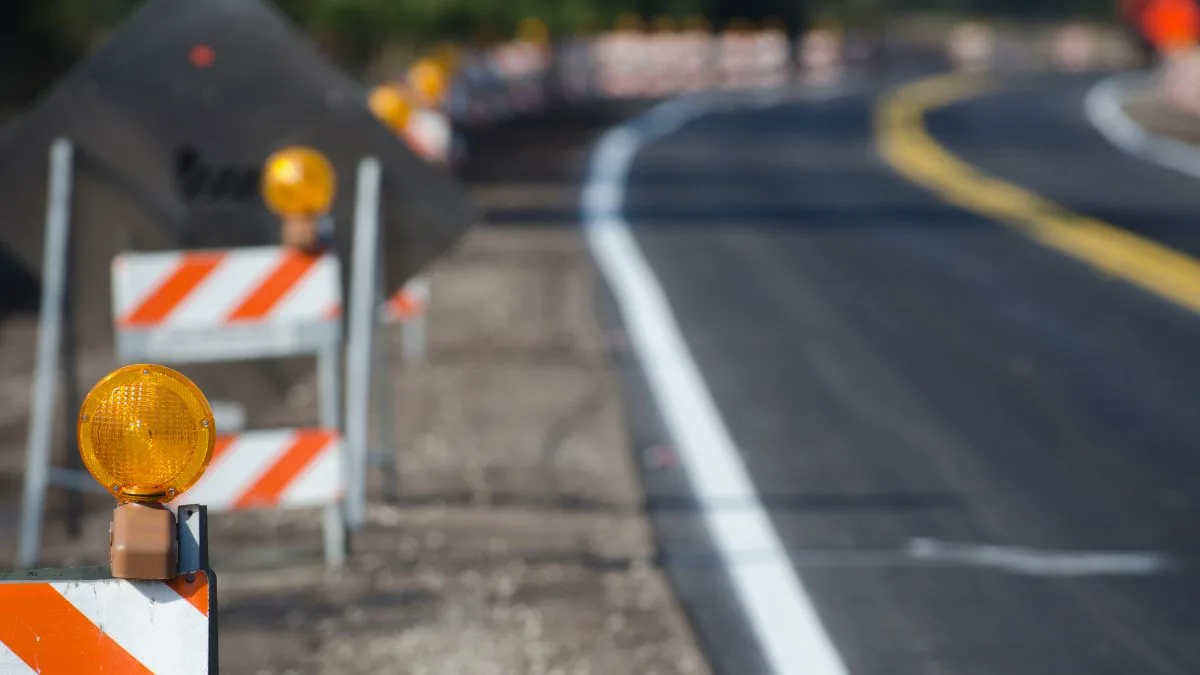
A safe highway work zone in British Columbia starts with the road authority, risk assessment, and approved traffic-control plan. Higher travel speeds, long stopping distances, heavy vehicles, limited escape space, and changing weather make generic urban layouts unsuitable.
Confirm authority and approval first
Determine whether the road is municipal, provincial, or privately controlled. Use the authority's current permit and traffic-management requirements, including any professional-design, notification, work-window, or lane-closure conditions.
WorkSafeBC Part 18 requires a qualified person to assess traffic hazards before workers are exposed. Traffic-control equipment, arrangements, and procedures must meet the applicable Traffic Management Manual to the extent practicable unless the Act or Regulation says otherwise.
Plan the setup and takedown
The plan should identify advance warning, tapers, buffers, work space, device placement, TCP positions if required, work vehicles, access, and the order in which controls are installed and removed. Setup and takedown expose workers to live traffic and need their own safe sequence.
Check the site before release
- Confirm every sign and device matches the current plan.
- Verify visibility, spacing, stability, and road-surface conditions.
- Keep worker positions and escape routes clear.
- Brief the crew on communication, changing phases, and emergency response.
- Inspect the work zone at intervals appropriate to the risk.
- Review the risk assessment when conditions or the work change materially.
Book the right field scope
Safeside can review traffic-control staffing and lane-closure support for an approved BC project. Send the authority, location, schedule, plan, permit conditions, and work method through the contact page.