
Category 1 vs Category 2 Traffic Management Plans in BC
Understand Category 1 vs Category 2 traffic management plans in BC, how project risk affects classification and what to confirm before work begins.
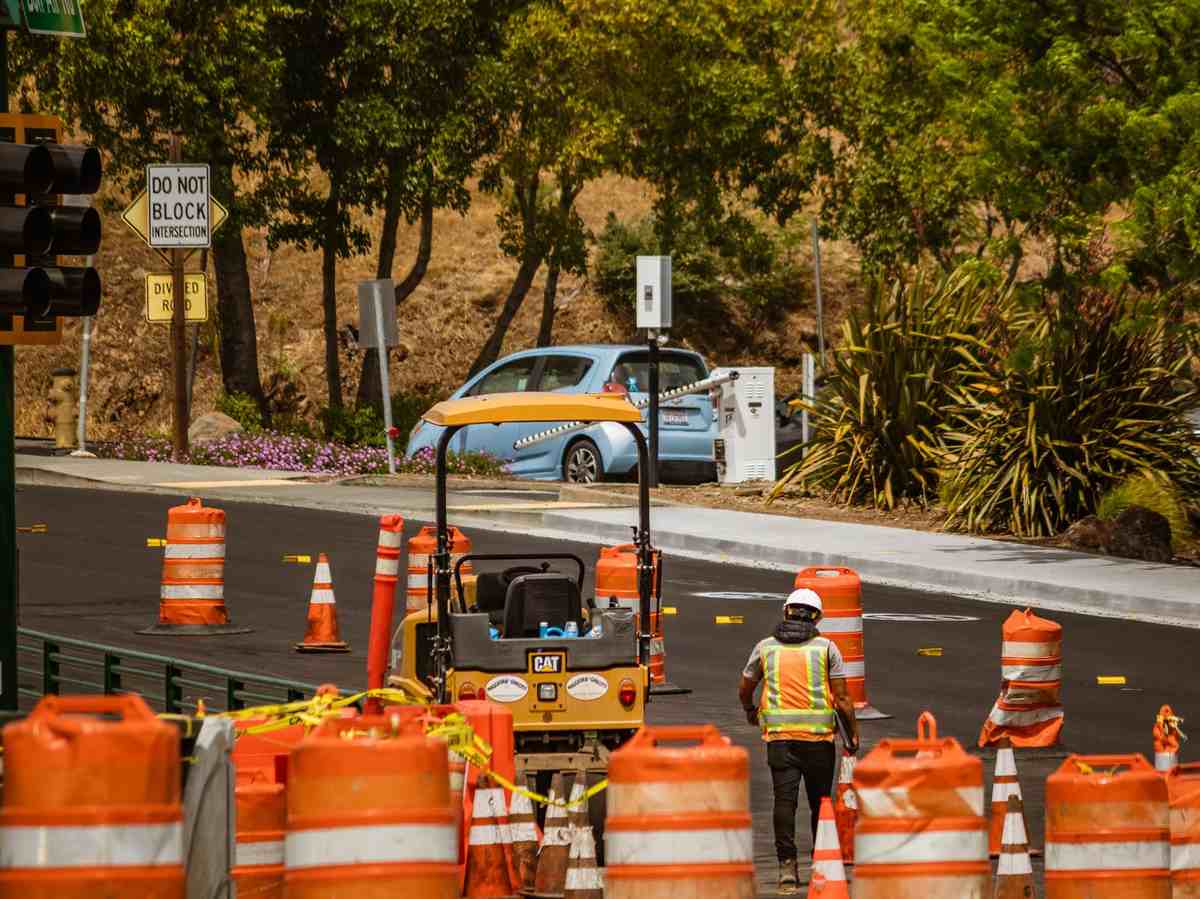
Choosing a Category 1 traffic management plan in BC starts with the project's conditions and risks. A short job or small crew does not, by itself, establish the category.
Category 1 and Category 2 describe project classifications in BC's Traffic Management Manual for Work on Roadways. The distinction helps determine the planning requirements for the work. The relevant road authority's submission requirements also need to be confirmed.
What separates Category 1 from Category 2?
Category 1 generally describes projects with limited effects on road users, uncomplicated terrain and two-lane roads, often with lower speeds or volumes.
Category 2 involves greater complexity and potentially moderate effects on road users. It may apply on corridors with higher speeds or traffic volumes, depending on the work and site conditions.
- Typical impact: Category 1: limited disruption to road users. Category 2: potentially moderate disruption.
- Road setting: Category 1: often simpler two-lane settings. Category 2: may include higher-speed or busier corridors.
- Complexity: Category 1: generally lower. Category 2: greater planning complexity.
- Selection: Both categories require site assessment and risk analysis.
These descriptions guide the assessment. They do not replace it, and the manual also includes Category 3 for more complex projects with significant impacts.
How is the project category established?
The manual uses an initial assessment of road and work characteristics, followed by project-specific risk analysis and a final category determination.
A project cannot be classified reliably from its address or duration alone. Review the actual work limits, staging and access conditions. If those details change, the original assumptions may need to be revisited.
For Metro Vancouver and Fraser Valley projects, Safeside's traffic management plans service provides planning support tied to the site and implementation scope. Confirm any authority submission, professional certification or engineering responsibility separately; those responsibilities are included only when explicitly agreed.
Does Category 1 remove the need for a written plan?
A lower category does not remove workplace safety responsibilities. Under WorkSafeBC's Part 18, a qualified person must assess traffic risks before workers are exposed to them. For short-duration and long-duration work, the employer must ensure that a written traffic-control plan is developed from the risk assessment.
That plan must identify controls, implementation instructions, responsibilities and a review schedule. It must remain accessible to workers at the work zone.
Traffic-control layouts are part of the documentation. A traffic-management package may also address broader road-authority requirements. Clarify which documents are required for your project.
What should you confirm before mobilization?
Check the approval status, document version, work hours and conditions attached to the permitted arrangements. Make sure the people implementing the plan understand their responsibilities.
If workers will set up an approved closure, lane-closure support should match the documented field scope. Hiring a crew does not establish the project category or authorize a closure.
BC provides sample plans as references, but they need site-specific customization. Avoid copying a plan simply because another project appeared similar.
Category 1 and Category 2 traffic-plan FAQs
Is every small project Category 1?
No. Road conditions, work characteristics and the risk analysis determine the final category. Crew size alone is insufficient.
Is Category 2 based only on traffic volume?
No. Higher traffic volume can be relevant, but classification also considers the road, work characteristics and project risks.
Can a category change after planning starts?
Changes to the work or conditions can require reassessment. WorkSafeBC requires the risk assessment and traffic-control plan to be updated where its specified change conditions apply.
Can I use BC's sample plan without changes?
No. The province states that submissions require customization for local conditions, requirements and work complexity.
Confirm the planning scope for your site
Have a project in Metro Vancouver or the Fraser Valley? Request a free quote from Safeside for a personalized traffic control plan. Include the location, work sequence, schedule and available authority documents. Call 604-704-8051 or email info@safesidetrafficcontrol.com to clarify the requested planning and field responsibilities.