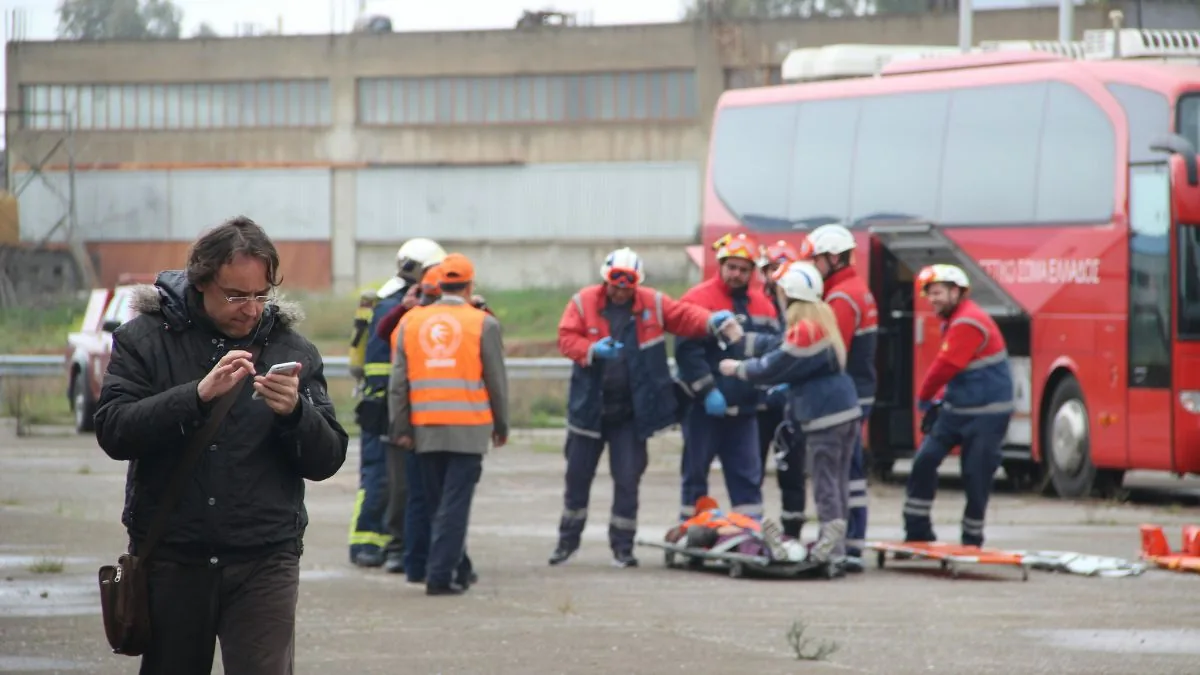
Emergency procedures for traffic incidents at a Coquitlam construction site require written, site-specific plans that are developed before work begins, posted visibly on-site, and reviewed regularly with all workers and subcontractors. The Regulation for Construction Projects requires constructors to establish written emergency procedures for every project before it starts, post them so they are easy to find, and update them as the work, hazards, and number of workers change. These procedures must be reviewed with the joint health and safety committee or worker representative, and everyone on site must know their roles during an emergency. Safeside Traffic Control Ltd helps contractors build and implement these emergency plans for safe, compliant traffic control around construction sites.
Required foundation: written, posted, and updated plans
Before any traffic control or construction work begins, you must have a written emergency response and rescue plan for the project. This plan must:
- Be completed before the project starts.
- Be conspicuously posted and easy for everyone on site to find.
- Be updated as the work, hazards, and crew size change during the project.
Inspectors check for adequate emergency planning, posted procedures, access to two-way communication in an emergency, and worker knowledge of the procedures. If your plan is not written, posted, or reviewed, you are not meeting the legal requirements for construction projects in BC.
Develop project-specific emergency procedures
When developing emergency and rescue procedures for traffic incidents, you need to consider several project-specific factors:
- Regulatory requirements under the Construction Projects Regulation.
- The size and complexity of the project.
- Unique situations such as tower cranes, tunneling, or work near major roadways.
- Communication systems, including a backup option for emergencies.
- Whether on-site resources and trained personnel are needed.
- The scope and availability of 9-1-1 rescue services in your area.
Most communities have a 9-1-1 system, but it may not meet all project needs in an emergency. The capacity of fire or rescue support may depend on other demands on local services at the time of an incident. Contact your local fire department early to determine the scope and availability of response and rescue services before they are needed.
Communication and reporting systems
Your emergency action plan must be specific about how to report emergencies. For each site building or location, indicate the means to report emergencies, such as radio, phone, or two-way communication devices. Everyone on site must know how to activate the emergency response process and what steps to take immediately.
Key elements for communication include:
- Clearly defined reporting methods for each area of the site.
- Backup communication systems in case primary systems fail.
- Procedures for contacting 9-1-1 and local emergency services.
- Clear instructions on who calls emergency services and who notifies the project supervisor.
- Identification of alternative communication systems if radios or phones are not available.
Safeside помогает contractors set up reliable communication systems for traffic control crews so emergency calls can be made quickly and accurately.
On-site response and rescue procedures
Depending on the project, you may need on-site resources and trained personnel to respond to traffic incidents before emergency services arrive. This includes workers trained in first aid, CPR, and basic rescue procedures. Your plan should identify who is responsible for:
- Securing the work zone and traffic incident area.
- Directing traffic away from the incident site.
- Providing first aid or stabilizing injured persons.
- Communicating with emergency responders when they arrive.
- Keeping unauthorized people away from the scene.
Your response equipment, procedures, and training must accurately reflect the requirements of the work. Keep emergency resources at adequate levels and in locations that allow a quick response.
Traffic scene management and roadway safety
For traffic incidents in or near construction zones, traffic mitigation measures are critical. Warning and adequate transition area traffic control measures upstream of the incident help reduce travel speeds of approaching motorists and protect emergency responders and workers.
Best practices for traffic incident scene management include:
- Setting up warning signs upstream of the incident.
- Establishing a safe transition area for traffic to slow and merge.
- Using flaggers or certified traffic control personnel to direct vehicles.
- Blocking the affected lane or area to keep the scene safe.
- Coordinating with local police, fire, and emergency services.
These steps help protect workers, emergency responders, and the public while the incident is being managed.
Review, train, and test the plan
Everyone on site must know and understand their roles and responsibilities during an emergency. Clearly communicate emergency response and rescue procedures to everyone on site, including workers, subcontractors, and suppliers.
Critical training steps include:
- Reviewing the procedures with all workers and subcontractors.
- Explaining how to activate the emergency response process.
- Identifying alternative communication systems if primary systems fail.
- Conducting unannounced tests or emergency drills of the plan.
Inspectors check for worker knowledge and understanding of the procedures, so training and drills are not optional.
Monitor, evaluate, and adapt the plan
Emergency response planning is not a one-time task. You must monitor, evaluate, and update the plan as the project progresses. Response equipment, procedures, and training must accurately reflect the changing requirements of the work.
Keep emergency resources – both people and equipment – at adequate levels and in locations that allow a quick response. If the site changes, hazards change, or crew size changes, update the plan accordingly.
Emergency response planning should be used to:
- Develop project-specific emergency response and rescue procedures.
- Identify the scope and limitations of external rescue support.
- Develop contingencies if there are gaps in external support.
- Communicate procedures clearly to all workers.
- Evaluate and adapt procedures to meet changing project activities.
Why this matters in Coquitlam
In Coquitlam, enforcement provisions for Construction Traffic Control Plans and permit compliance have been strengthened. This means construction traffic control plans must be followed, and emergency procedures must be in place and enforced. Traffic incidents at construction sites can involve workers, pedestrians, and vehicles, so having a clear emergency plan is critical for safety and compliance.
Construction traffic control is a key part of protecting the public and workers. When an incident occurs, your emergency procedures help ensure that the response is fast, organized, and safe.
FAQ
Do I need written emergency procedures for a construction site in Coquitlam?
Yes. The Regulation for Construction Projects requires constructors to establish written emergency procedures for every project before it begins.
Where should emergency procedures be posted?
Emergency procedures must be conspicuously posted and easy for everyone on site to find.
Who needs to review the emergency procedures?
Procedures must be reviewed with the joint health and safety committee or worker representative, and all workers, subcontractors, and suppliers must know them.
What should the plan include for traffic incidents?
The plan should include reporting systems, communication methods, on-site response steps, traffic scene management, and coordination with 9-1-1 services.
How can Safeside help with emergency procedures?
Safeside Traffic Control Ltd can help contractors develop project-specific emergency plans, set up communication systems, and train staff for safe traffic incident response.
Keep your site safe and compliant
Emergency procedures for traffic incidents at a construction site in Coquitlam must be written, posted, and reviewed with all workers. They must be updated as the project changes and tested with regular drills. A clear plan helps protect workers, the public, and emergency responders while keeping your project compliant with BC regulations.
If you need help developing emergency procedures for your Coquitlam construction site, Safeside Traffic Control Ltd can support your planning, training, and on-site response.
Visit Safeside Traffic Control Ltd
at 1140 Eagleridge Dr, Unit 25, Coquitlam, BC V3E 1C2, Canada
Office: +1 604-704-8051
Email: info@safesidetrafficcontrol.com
Book your consultation today and get expert help with emergency procedures for traffic incidents at your Coquitlam construction site.